

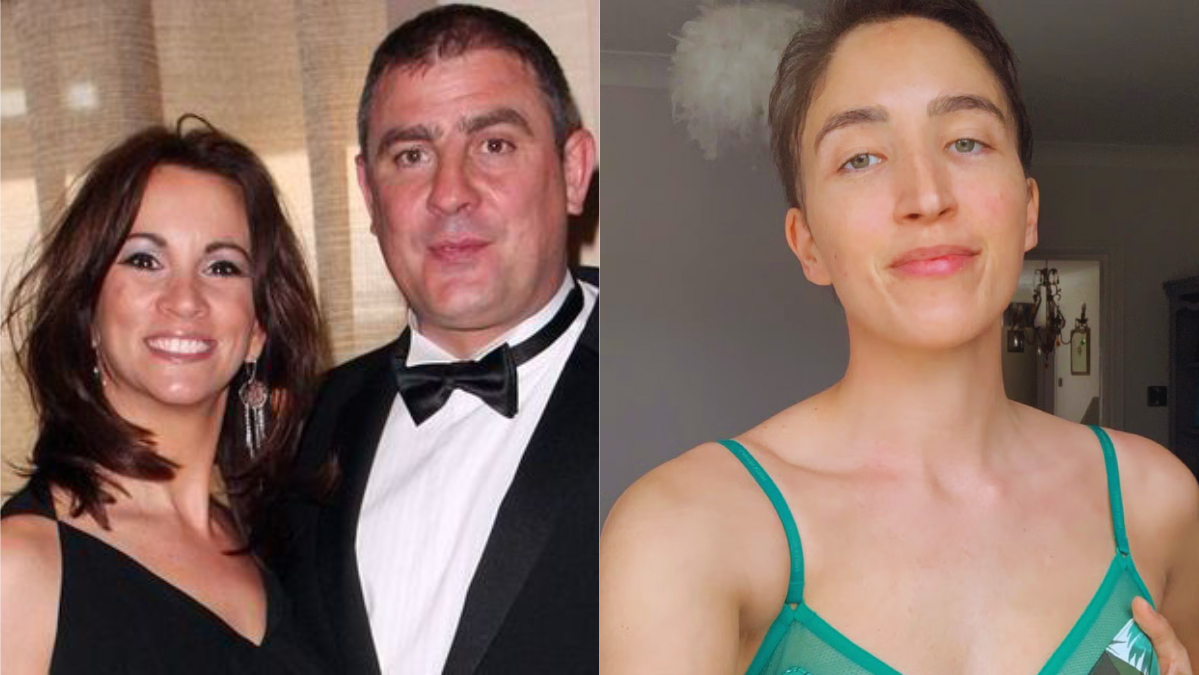
When people search for the keyword “Romilly Weeks Illness,” it usually comes from genuine concern rather than idle curiosity. Romilly Weeks Illness is a well-known and respected broadcast journalist, and like many public figures, even small changes in appearance or screen presence can spark questions. This article looks at the topic thoughtfully and responsibly—separating facts from assumptions, explaining why such searches happen, and offering expert-level insight without crossing into speculation or misinformation.
Public Interest Around Romilly Weeks Illness’ Health
Public figures like Romilly Weeks often become the subject of health-related searches simply because they are visible. When viewers notice an absence from television, a schedule change, or even a subtle difference in energy on screen, it can quickly lead to online discussions. This is not unique to Romilly Weeks Illness; it happens to journalists, actors, and presenters across the media landscape.
It’s important to understand that public interest does not automatically mean there is a confirmed illness. In many cases, journalists take time off for reasons that are entirely normal—holidays, family responsibilities, professional training, or behind-the-scenes assignments. However, the public’s emotional connection to familiar faces often fuels curiosity, especially when no explanation is given.
From an expert perspective, it’s also worth noting that modern search behavior amplifies assumptions. A single social media comment can trigger thousands of searches for terms like “Romilly Weeks Illness,” even when no verified information exists. This highlights how quickly speculation can outpace facts in today’s digital environment.
Addressing Rumors and Speculation Responsibly
One of the biggest challenges surrounding the topic of Romilly Weeks Illness’ illness is the presence of unverified rumors. Online forums and social platforms sometimes attempt to fill information gaps with guesses, which can unintentionally spread misinformation. As a media professional herself, Romilly Weeks understands how narratives can form without evidence.
Responsible discussion means acknowledging that, as of publicly available information, there has been no detailed or confirmed disclosure about Romilly Weeks Illness suffering from a specific illness. Silence or privacy should never be interpreted as confirmation of a health issue. Many professionals choose not to share personal medical details, and that choice deserves respect.
From a media ethics standpoint, it’s crucial to draw a clear line between curiosity and intrusion. Experts in journalism consistently emphasize that health-related matters fall under personal privacy unless the individual chooses to speak openly. Searching for “Romilly Weeks Illness” may come from concern, but repeating unverified claims can do more harm than good.
The Pressure of High-Profile Journalism on Health
While there is no confirmed public statement about Romilly Weeks Illness having an illness, it is reasonable to discuss the broader context of health in broadcast journalism. News presenting is a high-pressure profession that demands long hours, emotional resilience, and constant public scrutiny. Over time, these factors can affect both physical and mental well-being.
Journalists working in television news often face early mornings, late nights, and breaking news situations that disrupt routine self-care. Voice strain, fatigue, and stress-related symptoms are common across the industry. These challenges don’t necessarily indicate illness, but they do explain why presenters may occasionally step back from regular on-screen roles.
Experts in occupational health frequently point out that managing visibility-based careers requires proactive wellness strategies. Whether it’s taking short breaks, rotating assignments, or reducing screen time temporarily, such steps are preventive rather than reactive. In this light, any absence or change involving Romilly Weeks Illness does not automatically signal illness—it may simply reflect healthy professional boundaries.
Privacy, Transparency, and Public Expectations
The conversation around Romilly Weeks Illness’ illness also opens up a larger discussion about privacy and public expectations. Audiences often feel a sense of familiarity with news presenters, seeing them daily in their homes. This familiarity can blur the line between professional presence and personal life.
However, expertise in media law and ethics strongly supports the idea that public figures retain full rights to medical privacy. Transparency is optional, not obligatory. Some individuals choose to share health journeys to raise awareness, while others prefer to keep such matters private. Neither choice is more valid than the other.
In Romilly Weeks Illness’ case, the absence of public disclosure should be interpreted neutrally. Professionals across journalism stress that respecting boundaries helps create healthier media environments. By focusing on her work rather than personal speculation, audiences contribute to a more respectful public discourse.
Why the “Romilly Weeks Illness” Search Trend Persists
Search trends like “romilly weeks illness” persist because they sit at the intersection of concern, curiosity, and algorithm-driven behavior. When enough people ask the same question, search engines amplify it, even if no new information exists. This can create the illusion that something serious is happening when it may not be the case at all.
From an expert SEO and media analysis perspective, such keywords often become self-sustaining. Articles, forums, and auto-suggestions reinforce the search term, drawing in more users who are simply seeking clarity. Unfortunately, clarity is not always available when no official statements exist.
The healthiest approach—for both readers and writers—is to treat these searches as opportunities for responsible context rather than sensationalism. A balanced explanation reassures audiences while avoiding harmful assumptions. In that sense, discussing “Romilly Weeks Illness” can actually help reduce misinformation when handled carefully.
Final Thoughts: Focusing on Facts Over Assumptions
In summary, there is no confirmed public information indicating that Romilly Weeks Illness is suffering from a specific illness. The popularity of the keyword reflects public interest rather than verified medical reality. As an experienced journalist, she has every right to privacy, just like anyone else.
Experts agree that audiences benefit most when discussions remain grounded in facts, respect, and context. Rather than speculating about health, it is more constructive to appreciate professional contributions and understand the pressures of high-profile media roles.
Ultimately, the conversation around romilly weeks illness serves as a reminder of how quickly assumptions can spread—and how important it is to approach such topics with care, empathy, and informed judgment.
